
Introduction
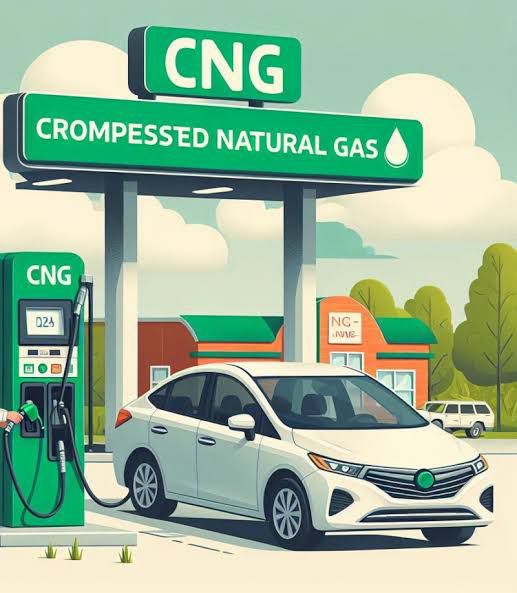
Compressed Natural Gas (CNG) is fast becoming one of the most viable alternatives to traditional fuels like petrol and diesel, especially in emerging economies like Nigeria. As the world intensifies its search for cleaner and more affordable energy solutions, CNG stands out as a practical choice for both transportation and industry. This guide will walk you through the fundamentals of CNG, how it works, and why it matters—especially now.
What is Compressed Natural Gas (CNG)?
CNG is natural gas—mainly methane—that has been compressed to less than 1% of its volume at standard atmospheric pressure. It is stored at high pressure (typically around 3,000 to 3,600 psi) in specially designed cylinders and is used as a fuel alternative to petrol, diesel, and liquefied petroleum gas (LPG). Unlike gasoline and diesel, CNG burns cleaner, producing fewer harmful emissions and making it more environmentally friendly.
How is CNG Produced?
CNG is derived from the same sources as conventional natural gas. It is extracted from gas fields or during oil production, then processed to remove impurities and moisture. After purification, the gas is compressed and stored in high-pressure cylinders. It can then be transported or dispensed through CNG stations for vehicle use or industrial applications.
Key Features of CNG
- Lower Emissions: CNG produces significantly fewer carbon dioxide (CO₂), nitrogen oxides (NOx), and particulate matter than traditional fuels.
- High Octane Rating: CNG has an octane rating of around 120, making it suitable for high-compression engines, resulting in better engine performance.
- Cost-Efficient: CNG is often less expensive than petrol or diesel, providing cost savings over time.
- Non-Toxic and Safer: In case of a leak, CNG dissipates quickly into the atmosphere because it is lighter than air, reducing the risk of fire or ground-level contamination.
Common Uses of CNG
- Transportation: CNG is widely used to power vehicles ranging from passenger cars to buses and trucks. In Nigeria, initiatives are underway to convert both public and private vehicles to run on CNG.
- Power Generation: Industries use CNG to run turbines and generators for electricity.
- Heating and Cooking: CNG is also utilized for residential and commercial heating and cooking, particularly in regions with reliable distribution networks.
CNG in the Nigerian Context
As part of Nigeria’s broader energy transition plan, CNG is being promoted as a cleaner and more economical alternative to petrol and diesel. With the federal government supporting the rollout of CNG refueling infrastructure, and companies like Sustena Energy leading the way, more Nigerians are becoming aware of the benefits and opportunities that come with adopting CNG technology.
Final Thoughts
CNG is more than just an alternative fuel; it represents a step forward in the journey toward clean, sustainable, and affordable energy. For everyday users, it offers financial savings and peace of mind. For the nation, it presents a strategic opportunity to reduce emissions, cut reliance on imported fuels, and create jobs. Whether you’re a car owner, a business, or simply someone curious about the future of energy in Nigeria, understanding CNG is the first step toward embracing a cleaner tomorrow.