
For many Nigerian businesses, electricity is no longer just an operational expense—it’s a daily battle for survival.
Recently, I spoke with a business owner who has spent years building his company, employing people, paying taxes, and navigating Nigeria’s difficult business environment. Like thousands of others across the country, he asked a simple question:
“Should I switch from diesel to gas?”
At first glance, the answer seemed straightforward.
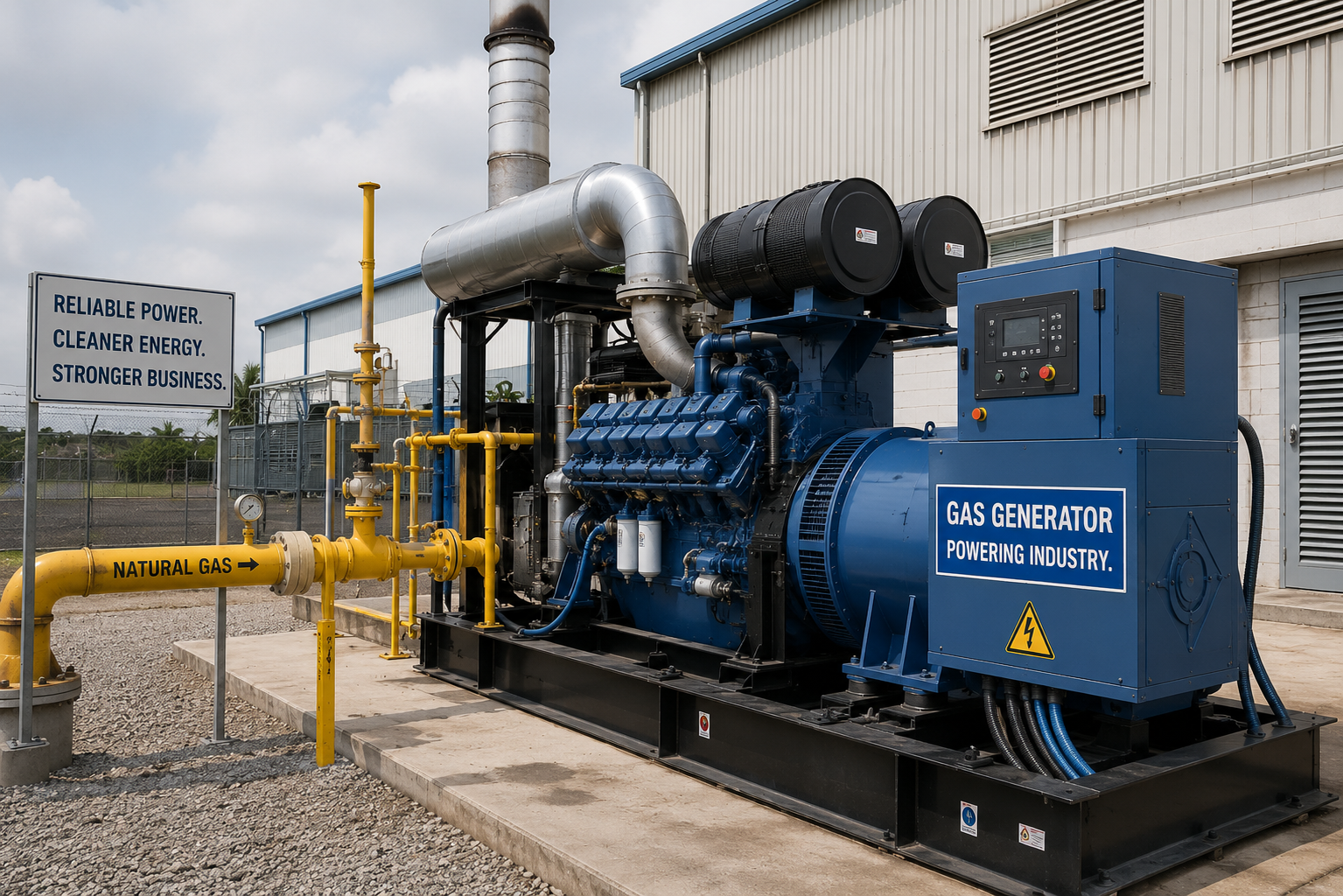
Natural gas is cheaper, cleaner, and significantly more efficient than diesel for many industrial and commercial applications. Businesses that have successfully made the transition are enjoying lower operating costs and greater control over their energy consumption.
Yet, as we began to examine what the transition would actually involve, the conversation became far more complicated.
The reality is that Nigeria’s energy challenge is not simply about choosing a better fuel. It’s about whether businesses can realistically afford to access the solutions that already exist.
Natural Gas Makes Economic Sense
Natural gas has emerged as one of the most viable alternatives for businesses seeking reliable and cost-effective energy solutions.
Compared with diesel, natural gas offers several advantages:
- Lower fuel costs over the long term
- Cleaner combustion and lower emissions
- Improved energy efficiency
- Greater predictability in operating expenses
- Reduced dependence on volatile fuel prices
For businesses with significant power requirements, switching to gas can provide both economic and environmental benefits.
However, one important misconception remains: gas is not simply a backup power solution.
To unlock its full economic value, businesses often need to commit to a more comprehensive energy strategy—one that significantly reduces or eliminates dependence on the national grid and diesel generators.
The Hidden Cost of Transition
While the long-term benefits of natural gas are compelling, the initial investment required can be substantial.
Businesses must consider costs such as:
- Gas-powered equipment
- Installation and commissioning
- Infrastructure upgrades
- Maintenance requirements
- Financing costs
When Nigeria’s high lending rates are added to the equation, what appears to be an obvious long-term investment can quickly become financially challenging in the short term.
For many businesses already struggling with:
- Diesel expenses
- Electricity tariffs
- Operational overheads
- Cash flow constraints
raising the capital required for a gas transition is simply not straightforward.
The Grid Isn’t Solving the Problem Either
Faced with significant transition costs, many business owners arrive at a familiar conclusion:
“Maybe I should just pay the grid tariff and move on.”
It’s an understandable response.
The national grid often appears cheaper in the short term. Unfortunately, reliability remains a major concern.
Nigeria continues to experience significant power supply challenges despite having approximately 13,000 MW of installed generation capacity. In practice, only about 4,000 MW is consistently delivered to businesses and households across the country.
For businesses, this creates a costly reality:
- Paying electricity bills.
- Paying for diesel.
- Paying for generator maintenance.
- Considering—but delaying—a gas transition.
Rather than choosing one energy source, many businesses are forced to pay for multiple energy solutions simultaneously.
Nigeria Has the Resources—But Not the Accessibility
Perhaps the most frustrating aspect of the conversation is that Nigeria is not facing a resource shortage.
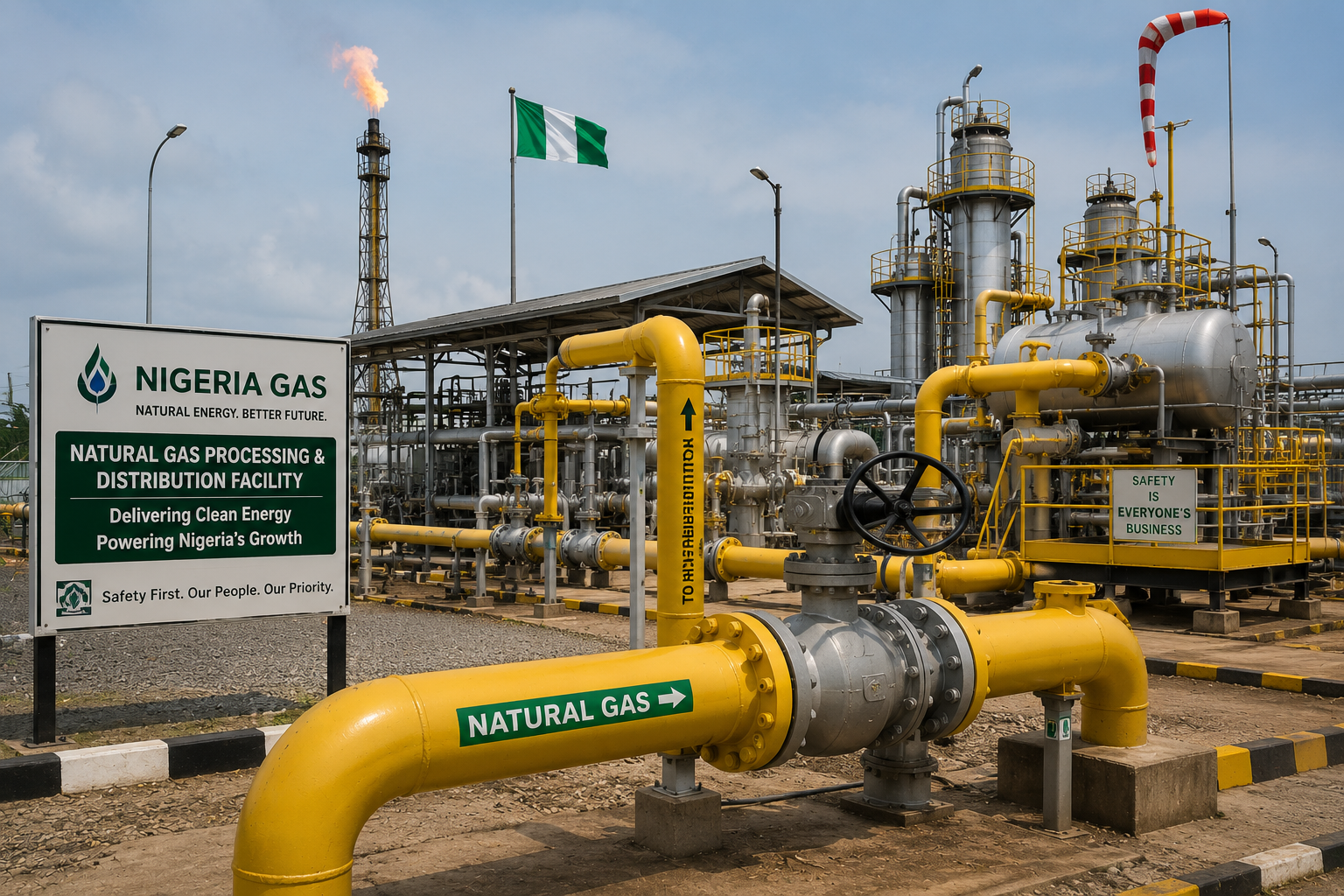
The country possesses approximately 206 trillion cubic feet of proven natural gas reserves, making it the largest gas reserve holder in Africa.
The gas exists.
The technology exists.
The demand certainly exists.
Yet businesses continue to struggle to access affordable and reliable gas solutions because of:
- High transition costs
- Limited infrastructure
- Financing constraints
- Regulatory and commercial bottlenecks
The challenge is no longer identifying the right energy source—it is creating the conditions that allow businesses to adopt it.
Why Financing Matters
The Independent Power Producer (IPP) model remains one of the most promising approaches for improving energy access in Nigeria.
However, significant challenges remain.
Bankable offtake agreements are often difficult to structure when:
- Distribution companies collect only a fraction of expected revenues.
- The power sector continues to grapple with legacy debt obligations.
- Investors face uncertainty around cost recovery and project bankability.
Without affordable financing mechanisms, even economically attractive energy projects struggle to move beyond feasibility studies.
Businesses are willing to transition.
What many lack is the financial pathway to do so.
The Cost of Nigeria’s Power Inefficiency
Nigeria’s power sector challenges extend far beyond individual businesses.
According to estimates from international development institutions, the country loses billions of dollars annually due to power sector inefficiencies and unreliable electricity supply.
These losses affect:
- Manufacturing
- Small and medium-sized enterprises
- Industrial productivity
- Employment
- Economic growth
Every delayed investment and every business operating below capacity carries a national economic cost.
Reliable and affordable energy is not merely an infrastructure issue—it is an economic imperative.
This Is an Execution Problem
One of the most important lessons from Nigeria’s energy landscape is that the country’s greatest challenges are no longer technological.
This is not a resource problem.
This is not a technology problem.
This is an execution problem.
Stakeholders across the value chain—including:
- Gas suppliers
- Power generation companies
- Distribution companies
- Regulators
- Financial institutions
- Government agencies
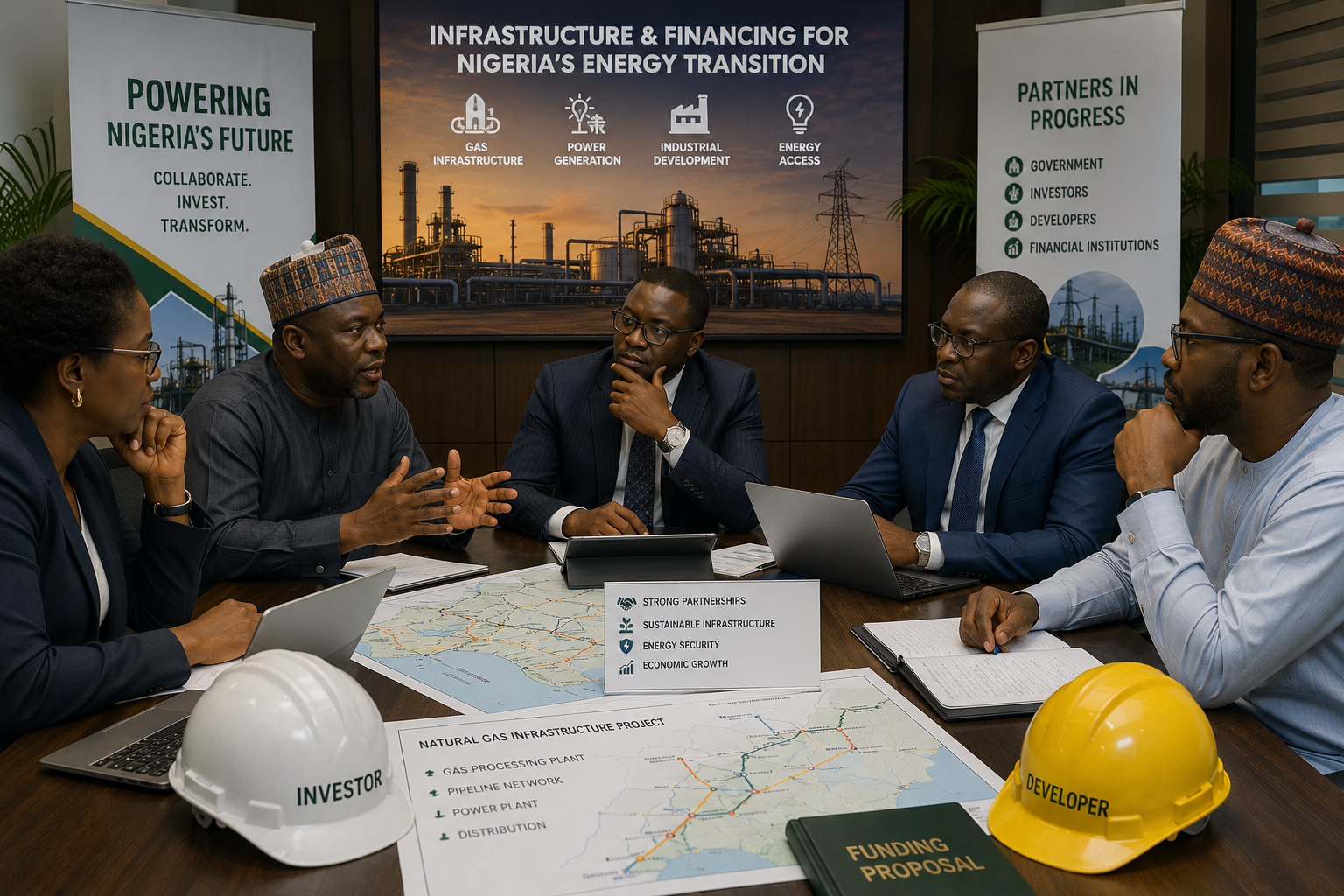
must work collaboratively to remove the barriers preventing businesses from accessing cleaner and more affordable energy solutions.
The frameworks exist.
The policies exist.
The gas exists.
Execution remains the missing piece.
What Needs to Change?
If Nigeria is serious about accelerating its energy transition, three priorities stand out:
1. Affordable Transition Financing
Businesses need access to financing structures that reduce the upfront cost of adopting gas-based energy solutions.
2. Infrastructure Development
Investments in gas processing, transportation, and distribution infrastructure must continue if businesses are to access reliable supply.
3. Faster and More Effective Implementation
Good policies are valuable only when they are implemented efficiently and consistently.
Reducing bureaucratic delays and improving coordination across the energy value chain will be essential.
Conclusion
The conversation that began with one business owner asking whether he should switch from diesel to gas reflects a much larger national challenge.
Natural gas offers a compelling pathway toward cleaner, more affordable, and more reliable energy for Nigerian businesses.
Yet, despite the country’s enormous gas reserves and growing policy support, many businesses remain trapped between expensive diesel, unreliable grid power, and energy solutions they cannot yet afford to adopt.
The problem is not the absence of resources or technology.
The problem is creating an ecosystem that allows businesses to make the transition confidently and affordably.
Because no business owner should have to choose between financial survival today and energy sustainability tomorrow.
Looking Ahead
Nigeria’s energy future will not be defined by the amount of gas beneath its soil—it will be defined by how effectively that gas reaches the businesses that need it most.
The opportunity is enormous. The solutions already exist.
What remains is the collective will to execute.