
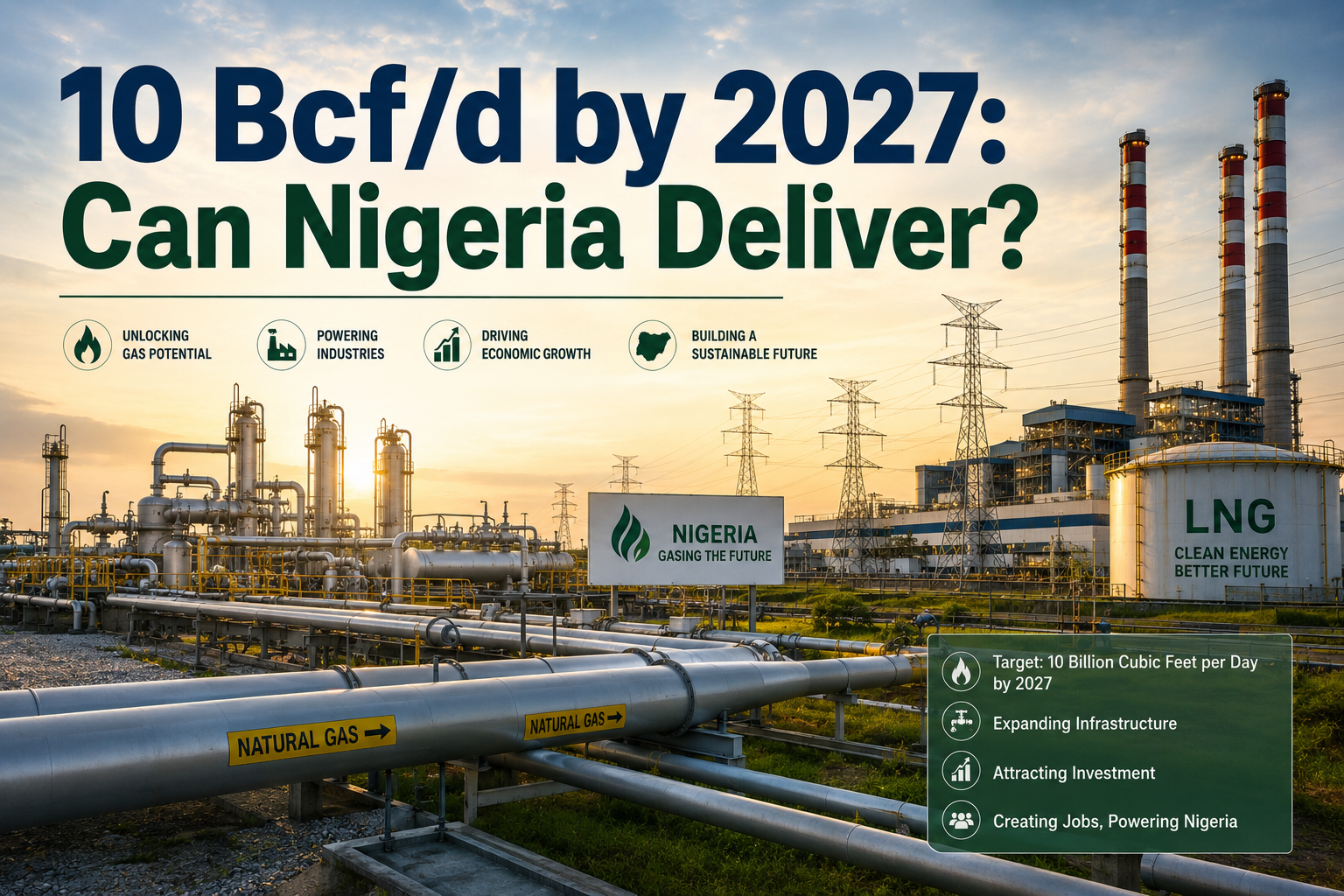
Nigeria’s gas ambitions have never been more clearly defined.
According to the NNPC Limited Gas Master Plan (GMP) 2026, the country aims to achieve 10 billion cubic feet per day (Bcf/d) of gas production by 2027—a target that, if realized, would significantly strengthen Nigeria’s position as a leading gas-producing nation.
But an important question remains:
Can Nigeria realistically deliver 10 Bcf/d by 2027, or are we heading toward another supply-demand mismatch?
The Gas Master Plan attempts to answer that question with something often missing from energy discussions: numbers.
Unlike previous conversations centered on potential and ambition, the GMP provides a roadmap that links projected demand, supply sources, and infrastructure requirements. It paints a picture that is both encouraging and challenging.
The conclusion is clear: achieving 10 Bcf/d is possible, but only if Nigeria executes across the entire gas value chain simultaneously.
Nigeria’s Growing Appetite for Gas
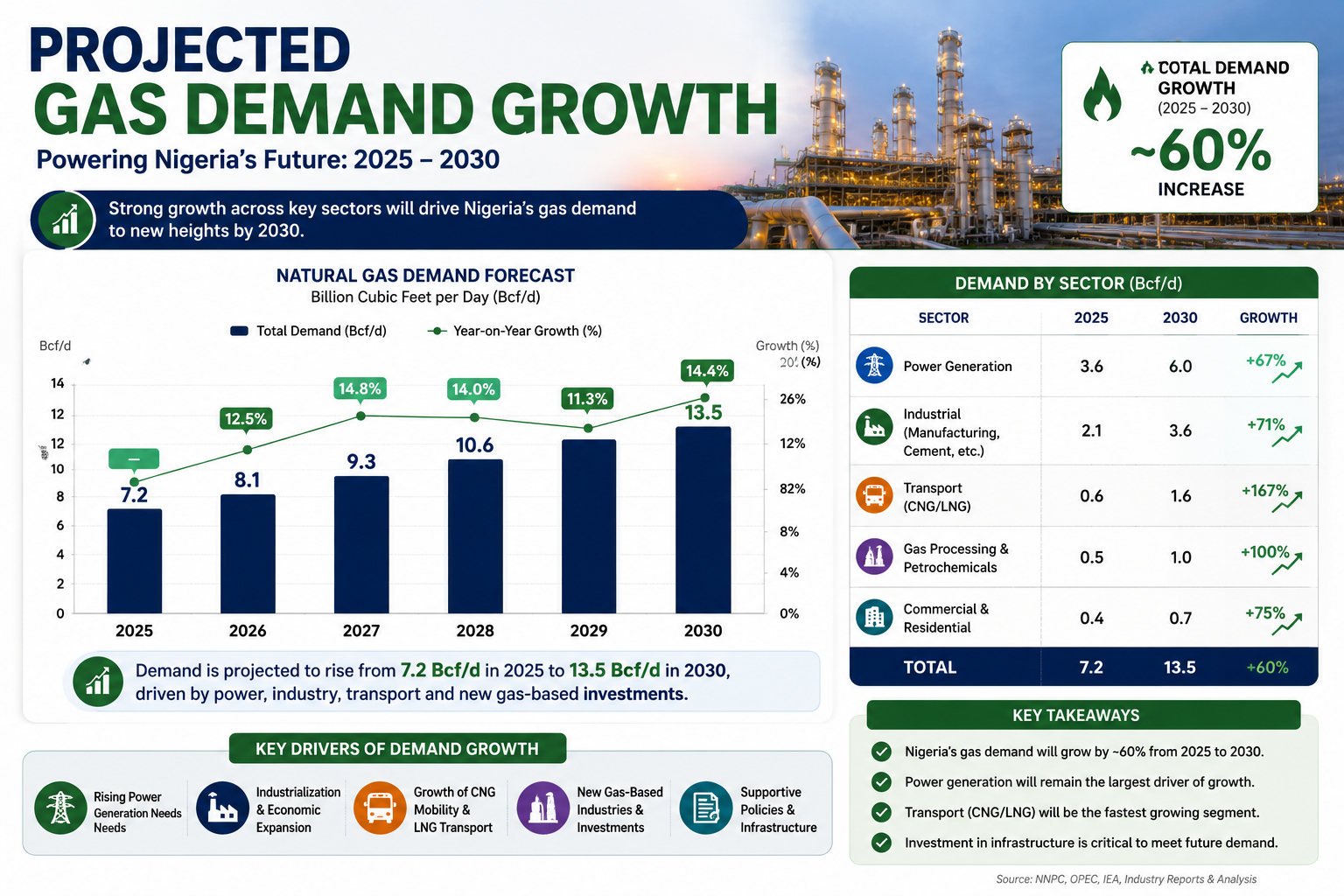
The GMP projects that national gas demand will exceed 11 Bcf/d by 2027, rising beyond 12 Bcf/d by 2030.
Importantly, this demand is not speculative.
It is driven by projects that are either operational, under construction, or nearing final commitment.
Major demand drivers include:
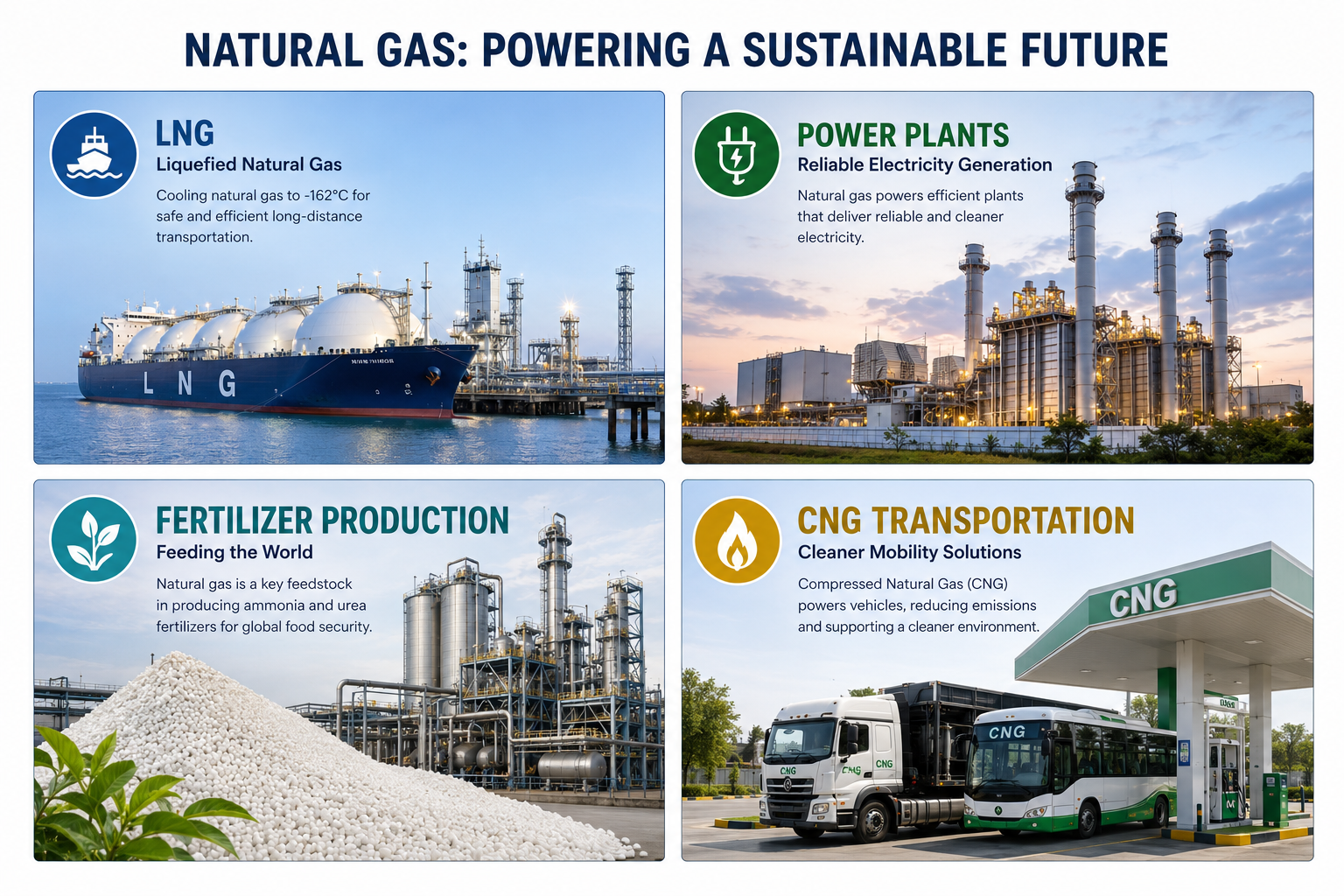
- LNG expansion projects
- New power generation facilities
- Gas-based industries
- National pipeline infrastructure
- CNG adoption in transportation
This signals an important shift in Nigeria’s energy landscape: demand is beginning to grow at a pace that could eventually challenge supply if investments do not keep up.
LNG Expansion Is Driving Demand
Nigeria’s liquefied natural gas ambitions remain a significant component of future demand.
Key projects include:
- NLNG Train 7
- Potential NLNG Train 8
- OKLNG
- UTM FLNG
Collectively, these developments will require substantial gas volumes over the coming years.
LNG remains one of Nigeria’s most important avenues for foreign exchange generation, making these projects strategically important from both an economic and energy policy perspective.
However, every molecule directed toward LNG exports is a molecule unavailable for domestic consumption—a balancing act policymakers must carefully manage.
Power Generation and Industrial Growth
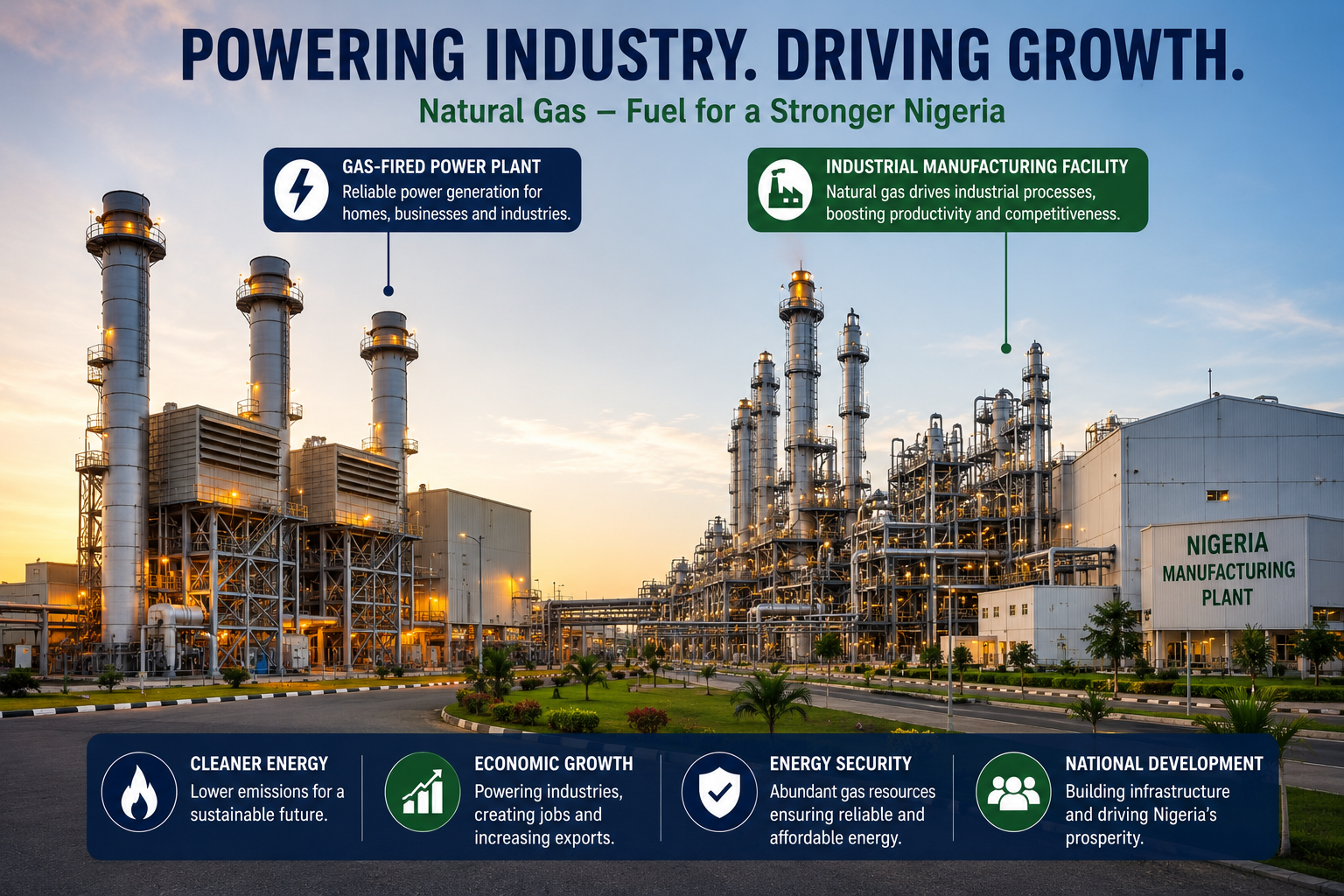
Power generation continues to represent one of Nigeria’s largest opportunities for gas utilization.
The Gas Master Plan highlights several upcoming Independent Power Projects (IPPs), particularly around:
- Kano
- Abuja
At the same time, gas-based industries (GBIs) are expanding rapidly.
Notable examples include:
- Dangote Fertilizer
- Indorama Petrochemicals
- Future industrial and manufacturing clusters
These industries rely heavily on a stable gas supply to maintain operations and support long-term growth.
In many ways, gas has become the fuel underpinning Nigeria’s broader industrialization
The Rise of CNG and Transport Gas
One of the more interesting developments identified in the Gas Master Plan is the rise of Compressed Natural Gas (CNG) as a major demand center.
Driven by:
- Fuel substitution policies
- Rising petrol costs
- Commercial transportation needs
- Urban mobility initiatives
CNG is emerging as a decentralized source of gas demand.
Unlike LNG or power generation—which are concentrated around major infrastructure assets—CNG demand is distributed across cities, logistics corridors, and transportation networks.
This diversification of demand creates new opportunities while also placing additional pressure on gas supply systems.
As adoption accelerates, transportation could become one of the country’s fastest-growing gas markets.
[Insert Image: CNG buses and commercial vehicles at a fueling station.]
Where Will the Supply Come From?
To support demand growth, the GMP identifies several priority supply hubs capable of delivering incremental volumes in the near term.
Key contributors include:
- Gbaran–Soku–Obagi–OBOB
- Utorogu–Ughelli–Okpokonou–Iseni–Brass
- Assa North
What makes the strategy notable is its reliance on existing infrastructure.
Rather than betting exclusively on new discoveries, the plan focuses on:
- Infill drilling
- Brownfield optimization
- Debottlenecking initiatives
- Central Processing Facility (CPF) upgrades
- Midstream expansion projects
This approach reduces development timelines and improves the likelihood of achieving production targets within the available timeframe.
Connectivity Is the Real Constraint
The Gas Master Plan makes an important point:
Producing gas is only half the challenge.
The greater challenge is delivering it to where demand exists.
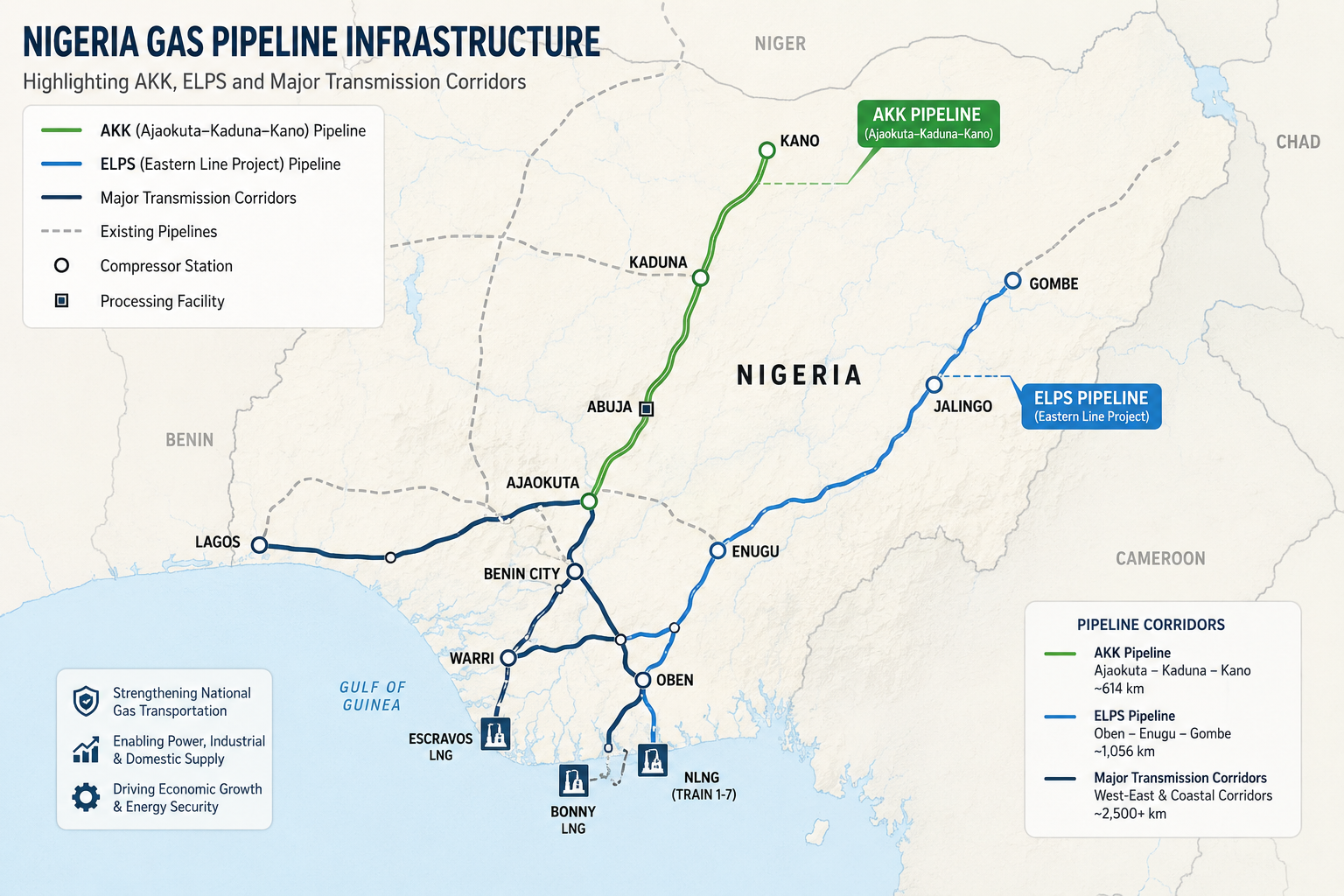
Several critical infrastructure projects will determine whether Nigeria can successfully bridge supply and demand, including:
- GTS-4 expansion
- OCGS expansion
- B-NAG
- AKK Pipeline
- ELPS–Lekki Corridor
Without these projects, Nigeria could find itself in a familiar position:
Gas molecules exist—but they are stranded.
Infrastructure remains the single greatest determinant of whether the country’s gas ambitions translate into economic value.
The Numbers Tell a Difficult Story
Current gas production in 2025 is estimated at approximately 7.5 Bcf/d.
More concerning is the fact that only about 60% of that production is effectively commercialized.
To reach the 10 Bcf/d target by 2027, Nigeria must increase production while simultaneously improving commercialization rates.
This requires:
- Upstream project delivery
- Midstream integration
- Pipeline completion
- Infrastructure optimization
- Effective stakeholder coordination
Few countries have successfully executed multiple large-scale energy projects simultaneously within such a compressed timeline.
That reality does not make the target impossible—but it does underscore the scale of the challenge.
Could Demand Outpace Supply?
Looking beyond 2027, the Gas Master Plan raises another important consideration.
If Final Investment Decisions (FIDs) on major upstream and midstream projects are delayed, demand could eventually exceed available supply.
Ironically, Nigeria’s greatest energy risk may not be a lack of resources—but an inability to monetize them quickly enough.
This scenario would create:
- Increased competition for gas volumes
- Higher prices
- Delays in industrial development
- Reduced investor confidence
- Pressure on domestic supply obligations
The country has seen infrastructure delays before, most notably with projects such as:
- OB3 Pipeline
- AKK Pipeline
The lessons learned from these experiences will play a critical role in determining the success of the GMP.
Which Demand Segment Wins?
For investors and energy stakeholders, one strategic question stands above the rest:
Which demand center delivers the highest near-term return on investment?
The leading contenders include:
- Power generation
- LNG exports
- Gas-based industries
- CNG transportation
Each offers unique advantages:
| Segment | Potential Benefit |
|---|---|
| LNG | Foreign exchange earnings |
| Power | Energy security and grid stability |
| Gas-Based Industries | Industrial development and job creation |
| CNG | Rapid adoption and decentralized demand |
While all four sectors compete for the same gas molecules, they do not offer the same risk profile or economic returns.
This competition will increasingly shape investment decisions across Nigeria’s energy landscape over the coming decade.
Conclusion
The NNPC Limited Gas Master Plan 2026 presents a realistic pathway toward achieving 10 Bcf/d of gas production by 2027.
The demand exists.
The supply hubs have been identified.
The infrastructure requirements are understood.
What remains is execution.
Ultimately, Nigeria’s success will not depend on the size of its reserves or the strength of its policy documents. It will depend on the country’s ability to deliver projects on time, integrate infrastructure effectively, and align supply with growing demand.
The numbers suggest that 10 Bcf/d is achievable.
The question is whether Nigeria can execute quickly enough to make it happen.
Looking Ahead
The next two years may prove to be among the most important in the history of Nigeria’s gas industry.
If the country succeeds, it could unlock a new era of industrial growth, energy security, and investment opportunities.
If it doesn’t, the risk is not a lack of gas.
The risk is allowing demand to outpace delivery.